Thinking about buying a historic home in Placerville? It is easy to fall for the charm first, then discover later that the real story is in the roof, permits, and city review process. If you are considering an older home here, it helps to know what can affect your budget, renovation plans, and timeline before you write an offer. Let’s dive in.
Why Placerville historic homes need extra diligence
Placerville’s history is part of what makes the area so appealing. The city has a historic downtown core, four non-contiguous residential historic districts, and a Historic Survey Inventory of documented resources.
Those residential historic districts include Spring Street/Coloma Street, Bedford Avenue/Clay Street, Cedar Ravine, and Sacramento Street/Chamberlain Street. If a home is in one of these areas, or if it is otherwise documented as a historic resource, your plans for repairs or updates may involve more review than you expect.
The city’s housing stock also skews older. Placerville’s 2021-2029 Housing Element states that about 73% of local housing units are at least 30 years old, and 11.5% were built in 1939 or earlier.
That does not mean you should avoid older homes. It means you should go in with a clear plan, realistic expectations, and room in your budget for maintenance and possible code-related updates.
Understand historic district review first
If a home is in a residential historic district, exterior remodeling may require Historic District Review. Placerville states that the Planning Commission must approve plans for construction or alteration before a permit is issued.
That can matter if you want to replace windows, change siding, remodel a visible exterior, add onto the home, or make major garage or roofline changes. Even if your design is tasteful, approval is still part of the process.
Placerville’s review packet calls for a planning application, environmental form, site plan, and elevation plans. In plain terms, that means exterior work may require more paperwork, more coordination, and more time than a typical cosmetic project.
Historic review may apply beyond mapped districts
One common mistake buyers make is assuming historic review only matters if a home is clearly inside a designated district. In Placerville, that is not always the case.
The city says historical advisory duties are now handled by the Planning Commission, and review can come into play for facades visible from a public right of way, demolition of inventory-listed structures, or discretionary permits near historic resources. That makes it important to verify the property’s status directly with city records rather than rely on assumptions.
The Historic Survey Inventory, which is organized by street name, can also help you check whether an address has already been documented as a historic resource. This is a smart step to take early, especially before you finalize renovation plans.
Compatibility matters for remodel plans
Placerville’s code says new construction does not have to duplicate historic architecture, but it must be compatible with it. This is an important distinction if you are already imagining a rear addition, a detached garage update, or a large exterior remodel after closing.
The city also encourages renovation, rehabilitation, and repair that stays consistent with the neighborhood’s historic character and the Secretary of the Interior Standards. So while you may have flexibility, design choices still need to fit the setting.
If you are buying a historic or potentially historic home because you want to customize it quickly, this is one area to research before making an offer. Your timeline and design options may be different than they would be with a newer property.
Check permit history before waiving contingencies
In Placerville, permit history is not a minor detail. It is one of the most important parts of due diligence when you are buying an older home.
The city’s Building Division says the permit process starts by verifying that the job is within city limits, confirming that a permit is required, and applying through the city’s portal. The city also lists many common projects that require permits, including:
- Reroofing
- Window replacements
- Siding or stucco work
- Termite or dryrot repairs
- Kitchen remodels
- Bathroom remodels
- Plumbing work
- Electrical work
- Whole-house remodels
Because so many common upgrades need permits, it is worth asking direct questions about prior work. If the home has an addition, converted space, deck, roof changes, or utility upgrades, ask whether those projects were permitted and documented.
Why undocumented work can become expensive
If a seller cannot document prior work, Placerville’s as-built requirements can become a major factor. For structures built before permitting, the city says construction must meet current non-structural code requirements, proof of construction date is required, and submittals may need site plans, floor plans, complete construction drawings, and sealed reports from a licensed architect or engineer.
When applicable, electrical, plumbing, and mechanical contractors may also need to provide documentation. This can add cost, delay, and complexity well beyond the original repair itself.
For buyers, the practical issue is simple. Undocumented work can affect closing timelines, future renovation approvals, and the true cost of ownership.
Budget for hidden conditions, not just finishes
With an older Placerville home, the visible upgrades are not always the expensive part. Paint colors, flooring, and fixtures are easier to plan for than hidden moisture, outdated systems, or code-related corrections.
A better budgeting approach is to separate costs into two buckets:
- Cosmetic updates like finishes, paint, and decor changes
- Compliance and hidden-condition costs like structural review, system repairs, code updates, and professional reports
In historic homes, the second category is often what changes the final price of ownership. Planning for that upfront helps you avoid stretching your budget too thin on the purchase itself.
Pay close attention to maintenance items
Preservation guidance for historic buildings emphasizes regular inspection, monitoring, and seasonal maintenance. In practical terms, that means you should pay close attention to parts of the home that are exposed to weather and wear over time.
Ask your inspector to look carefully at items such as:
- Roof condition
- Windows
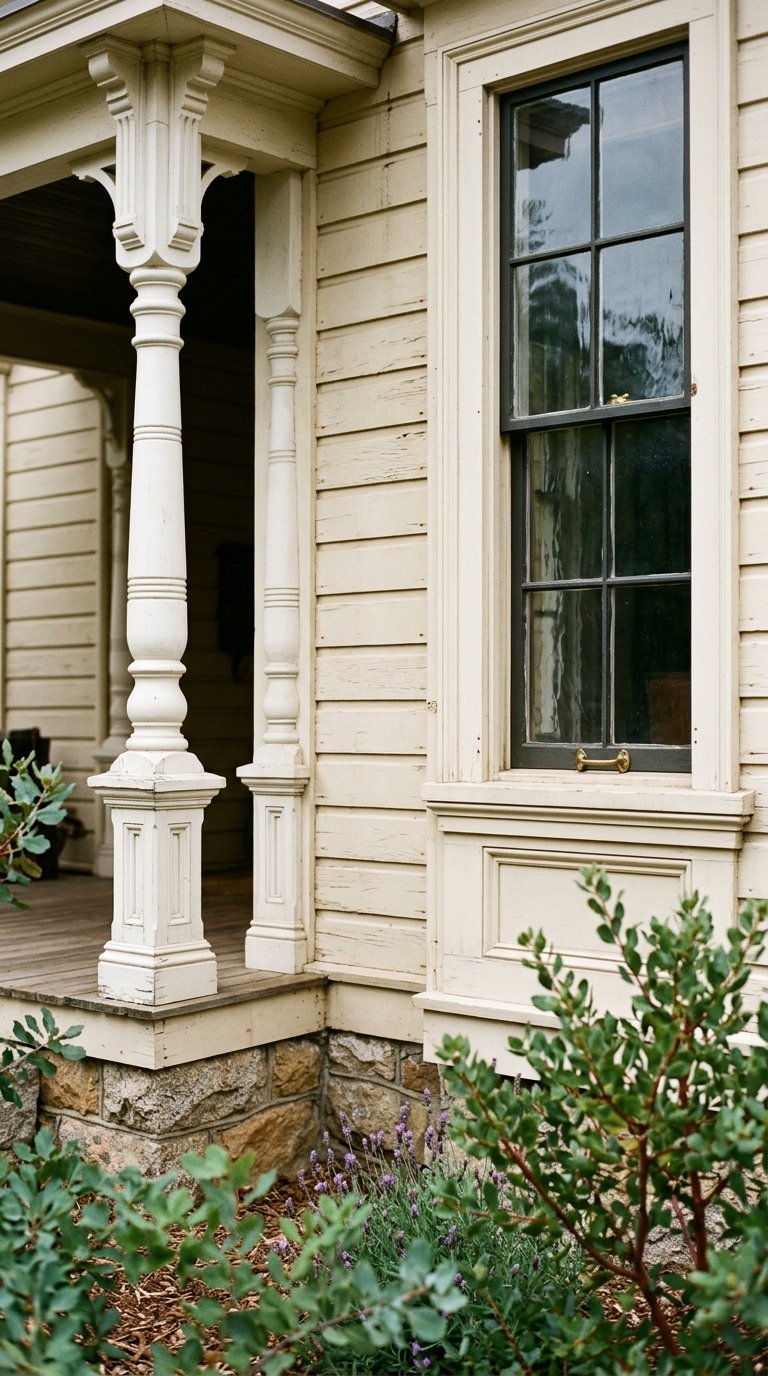
- Porches and exterior wood elements
- Paint condition
- Signs of moisture intrusion
- Wood decay or hidden damage
These are not small details in an older home. They can shape your near-term repair budget and help you decide whether the property is still the right fit.
Know the health and safety risks of older materials
If the home was built before 1978, there is a greater chance it contains lead-based paint. EPA guidance says deteriorating paint or renovation work can create hazardous lead dust.
EPA also states that you cannot confirm asbestos by looking at a material alone. If suspect materials are damaged, or if planned renovation will disturb them, they should be evaluated by trained and accredited asbestos professionals.
This does not mean every older home is unsafe. It means you should take older materials seriously and build proper testing and safe work practices into your renovation plan when needed.
Questions to ask before you buy
A historic home purchase usually goes more smoothly when you ask the right questions early. Clear answers can help you compare homes, refine your offer strategy, and avoid surprises after closing.
Questions for your inspector
- Where do you see signs of water intrusion, roof failure, wood decay, or hidden damage?
- Do you see evidence of repairs that may not match current code or may have been done without permits?
- Which issues look like routine maintenance, and which could trigger permit or city review requirements?
- Do any materials or conditions suggest lead-based paint or asbestos should be tested before renovation?
Questions for city staff
- Is the property inside one of Placerville’s residential historic districts?
- Is the address included in the Historic Survey Inventory?
- Would my planned work trigger Historic District Review or Planning Commission approval?
- What documents would be required for exterior changes, additions, or as-built issues tied to prior work?
- If repairs are urgent, what counts as emergency repair versus work that must wait for approval?
Questions for contractors
- Have you worked on pre-1978 homes and homes in historic districts?
- Do you use lead-safe work practices?
- When needed, do you coordinate with accredited asbestos professionals?
- Can you prepare the plans, drawings, and professional reports Placerville may require?
- If the home needs code updates, which items are likely to be the biggest cost drivers?
The bottom line for Placerville buyers
Buying a historic home in Placerville can be incredibly rewarding, but charm should never replace due diligence. The bigger question is not whether the home has character. It is whether that character comes with manageable maintenance, documented permits, and a realistic plan for repair and review.
If you want a calm, detail-driven approach as you compare older homes, evaluate inspection findings, and plan your next steps, Shannon Rader can help you move forward with clarity.
FAQs
What should you check before buying a historic home in Placerville?
- You should verify whether the home is in a residential historic district or listed in the Historic Survey Inventory, review permit history, and evaluate the condition of older systems and exterior features.
Do Placerville historic homes require city approval for exterior work?
- In many cases, yes. Placerville says exterior remodeling in residential historic districts may require Historic District Review and Planning Commission approval before a permit is issued.
Why is permit history so important for older homes in Placerville?
- Many common projects in older homes require permits, and undocumented work can lead to extra review, as-built requirements, added costs, and project delays.
Are older homes in Placerville more likely to have maintenance issues?
- They can be. Placerville’s housing stock is relatively old, so buyers should be prepared for possible deferred maintenance, aging systems, and hidden repair needs.
What health and safety issues should buyers consider in an older Placerville home?
- Buyers should be aware that pre-1978 homes are more likely to contain lead-based paint, and older materials may need evaluation for asbestos if they are damaged or will be disturbed during renovation.